Conversion examples

Before
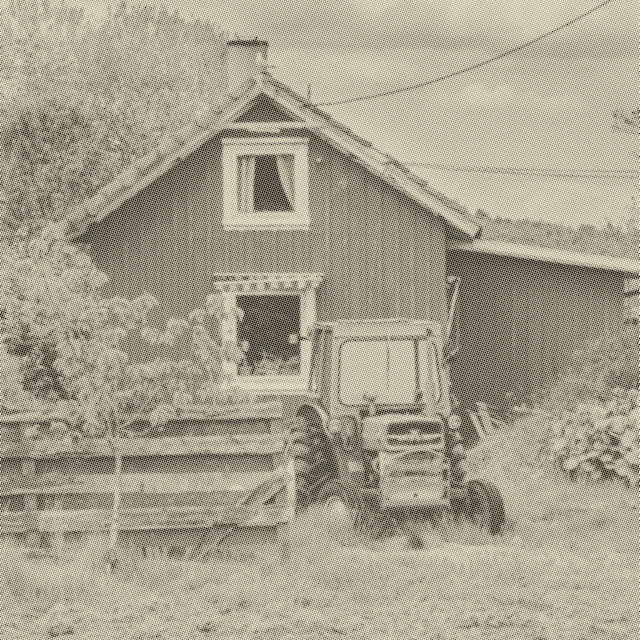
Halftone converted
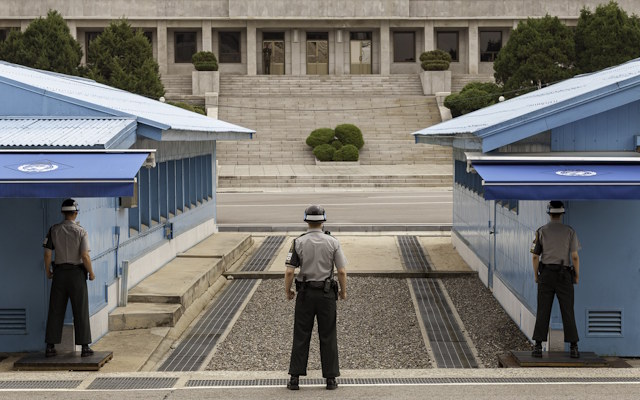
Before
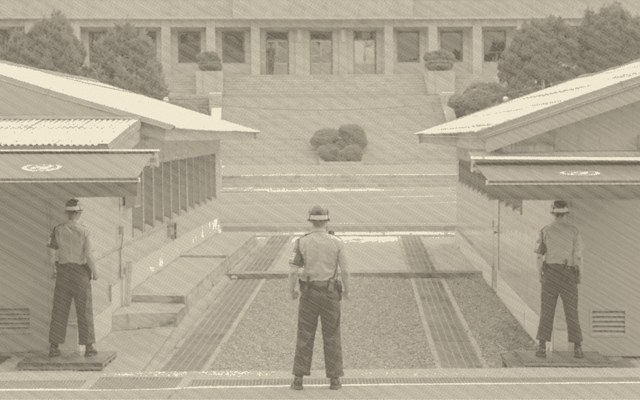
Halftone converted
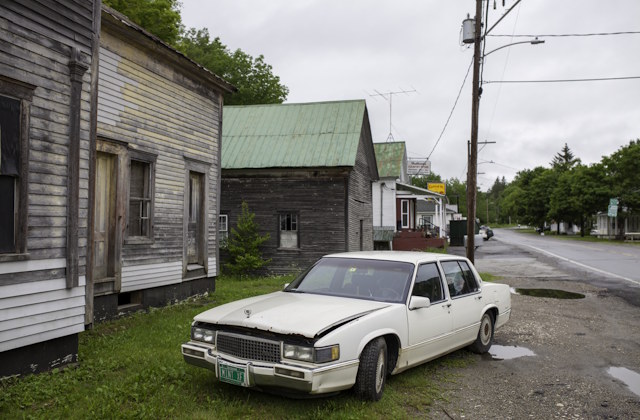
Before
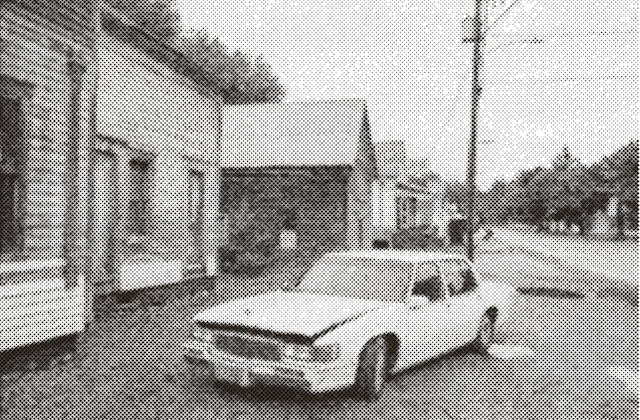
Halftone converted
Retro photo converter
Reproduce the classic newspaper dot-screen printing process. Halftone breaks images into dots — larger dots for darker areas, smaller dots for lighter areas — tricking the eye into seeing continuous tone from pure ink on paper.
Open Halftone Converter
Traditional printing can only put ink down or leave paper bare — there is no grey, only black dots on white paper. Halftone solves this by varying the size of dots rather than their colour. A dark area is covered with large dots that run nearly edge to edge; a light area has tiny dots with wide gaps between them. Viewed at reading distance, your eye averages the ink coverage and perceives a continuous tonal gradient.
Newspapers used a physical halftone screen — a glass plate with a grid of holes — placed between the photograph and the film during photographic reproduction. The screen broke the continuous-tone image into a grid of dots scaled by light intensity. Modern digital halftone does the same calculation in software, sampling each cell of the screen and placing a dot proportional to the average darkness of that cell.
The screen angle matters because rotating the dot grid by 45° makes the pattern much less visible to the eye at normal reading distance. At 0° the grid structure is obvious; at 45° the diagonal arrangement breaks up the regularity just enough that the dots read as tone rather than pattern.